
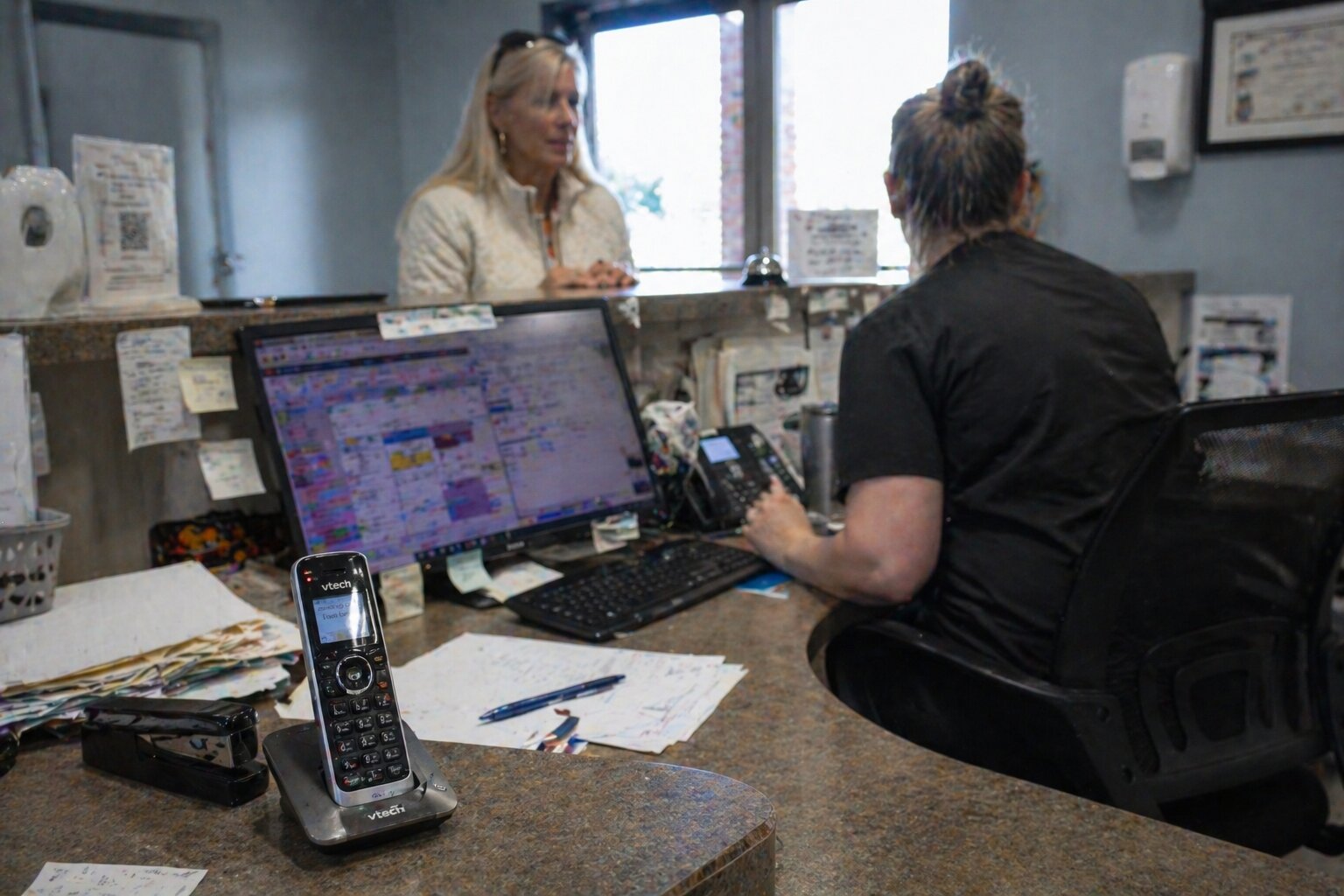
We spent three months tracking inbound call data across 40 health and wellness clinics — med spas, weight loss practices, hormone therapy clinics, and aesthetic providers. The findings were worse than we expected.
62% of calls went unanswered. Not 20%. Not 30%. Nearly two thirds of every person who picked up the phone to call one of these clinics was met with a ring that nobody answered, a voicemail box they didn't leave a message in, and a finger that scrolled down to the next result.
The data in full
Across the 40 clinics we tracked over 90 days, here's what the numbers looked like:
The 3% follow-up rate is the number that should make you stop. It means that of every 100 people who called a clinic and didn't get through, three of them eventually heard back. The other 97 were silently lost — most of them to a competitor who answered.
When do calls get missed?
The pattern wasn't random. Missed calls clustered heavily around predictable windows: before 9am, between 12pm and 2pm (when front desk staff are at lunch), and after 5pm. These are the windows when patients have time to make calls — before work, on lunch breaks, and after hours — but when clinic phone coverage is thinnest.
The highest-volume missed-call window was 5pm–8pm. Clinics were closed or understaffed, but patients researching treatments after work were actively calling. These are some of the highest-intent callers — people who had been thinking about a consultation all day and finally made the call. Every single one of them was greeted by voicemail.
What a missed call actually costs
The revenue math on missed calls is straightforward but most clinic owners have never run it. Take an average med spa:
- Average new patient consultation-to-treatment conversion: 55%
- Average first treatment value: $650
- Average annual patient value (repeat visits): $2,200
- Inbound calls per month: 180
- Missed calls at 62%: 112
- Of those, estimated legitimate new patient inquiries: 40%
- Missed patient inquiries per month: 45
- Booked consultations lost (at 25% callback rate): ~34
- Treatments lost (at 55% conversion): ~19
- Monthly revenue lost: ~$12,350
- Annual revenue lost: ~$148,000
That's before accounting for lifetime patient value. A patient who would have come in for Botox four times a year for five years — lost because nobody answered at 6:15pm on a Tuesday.
Why this keeps happening
The reasons clinics give for missed calls are consistent: front desk staff are busy with patients in the building, the phone rings during lunch, there's no coverage after hours, and on busy days calls simply fall through. All of these are real. None of them are the patient's problem.
The underlying issue is structural: clinics are built to serve the patient in the room, and the patient on the phone gets whatever capacity is left over. During busy periods, that's nothing. The patient on the phone, who is trying to become a patient in the room, goes unserved.
The fix: an AI that answers every missed call within 60 seconds
The solution isn't hiring more front desk staff — a full-time receptionist costs $38,000–$48,000 per year and still doesn't cover evenings and weekends. The solution is an AI receptionist that monitors your clinic's phone line and, the moment a call goes unanswered, sends an immediate, personalized text message to the caller.
The text is not generic. It comes from your clinic's number, mentions your practice by name, and offers to help. The AI then handles the full conversation: answering their questions about treatments, explaining your booking process, and scheduling the consultation directly into your calendar. It works at 2pm on a Wednesday and at 8pm on a Saturday.
In our data, clinics using this system recovered between 28% and 41% of their missed calls as booked consultations within 48 hours of the missed call. For the average clinic missing 112 calls per month, that's 31–46 recovered consultations — from patients who otherwise would have been permanently lost.
What to do right now
Pull your call analytics for the last 30 days. Most phone systems — and every VoIP platform — have this data available. Look at your total inbound calls, how many were answered, how many went to voicemail, and how many voicemails were actually returned. The number you're looking at is the floor of the revenue you're leaving on the table every month.
If the number is as bad as the industry average, it's worth fixing before you spend another dollar on advertising. Every patient you're paying to drive to your phone deserves to be answered.
Ready to put this into practice?
Book a free 30-minute strategy call. We'll audit your current patient flow and show you exactly what a full AI acquisition system would generate for your clinic.
Book a Free Strategy Call